


Q goes there?
- Jan 26
- 8 min read
Mom was just coming back from checking the shadows for a better hiding place, when a pair of lights paused for a closer look. “Go away! I have to pee!” I shouted from inside the Wagon. “I can’t go with you watching!”

“Hi,” a voice said from behind the blinding lights. Mom stepped in front of the Wagon, blocking the light enough that I could just make out the white markings of a killer whale behind the eyebeams. “I just passed by here a few minutes ago and didn’t see you, so I wanted to make sure you were alright,” the voice explained.
I shouted unprintable things at the top of my bark until Mom spit out her liquid toothbrush. When her mouth was free, she said, “I was gonna sleep here. Is that okay?”
“Oh yeah, that’s fine. I just wanted to make sure you were okay,” repeated the Whale.
“Yup. Just fine,” Mom repeated. She put her hand on the door but didn’t open it yet in case the Whale needed anything else.
“Go away! For privacy!” I shouted.
“Okay. Well. Have a nice night,” the Whale said. Its eyes shone on Mom’s paw not-opening the door for another moment before it looked away.
Mom let me out to potty. I was still mid-stream when the Whale came back.

“I just remembered. There are people that live up that road there,” the voice said. Mom looked over her shoulder at the rocky trail that she’d decided was too dangerous for the Wagon to hike on. “They’re the kind of people that…” the Whale trailed off, searching for the right word.
“…that don’t want to be bothered?” Mom suggested.
“…that don’t like folks like me,” the Whale finished, making it about himself.
“Oh crap. Okay.” Mom waved me back into the Wagon.
“No more driving,” I copiloted, sticking my butt to the ground so she couldn’t boost me inside. “I’m tired. Let’s sleep here.”
“No can do, spuddy,” Mom said. “Not out here in Conspiracy Country.”
I didn’t know what a conspuriously was, but the way Mom said it made me think it was something dangerous. I hopped inside and saved my questions for later. Once we were safely on the road I asked, “What do people have against whales? Besides that they’re nosy and interrupt your sleep?”
“I guess it depends where we are. Out here, it’s probably because people are suspicious of the government. Some people think that the virus is a hoax—that it’s just a government plot to control us. Especially now that there are all these rules against liberty and the pursuit of happiness. Maybe the conspiracy theorists aren’t completely out of touch with reality.”
“This isn’t America anymore,” I agreed. It was like what Mom told the cowboy in New Mexico all those months before; you couldn’t get deep enough into the wilder-ness to get away from what was happening. The whole world was still watching the same movie, but it was like the sound turned off when they went inside; everybody had to figure out their own story to go with the pictures. By the time they let us out again a dog-year later, everyone was telling a different version of the story. The plots were isolated inside people’s heads for so long that the storylines evolved into different species, and the storytellers forgot how to mix their tales together into truth. Instead, people turned vicious and territorial about who got to decide the real reality.
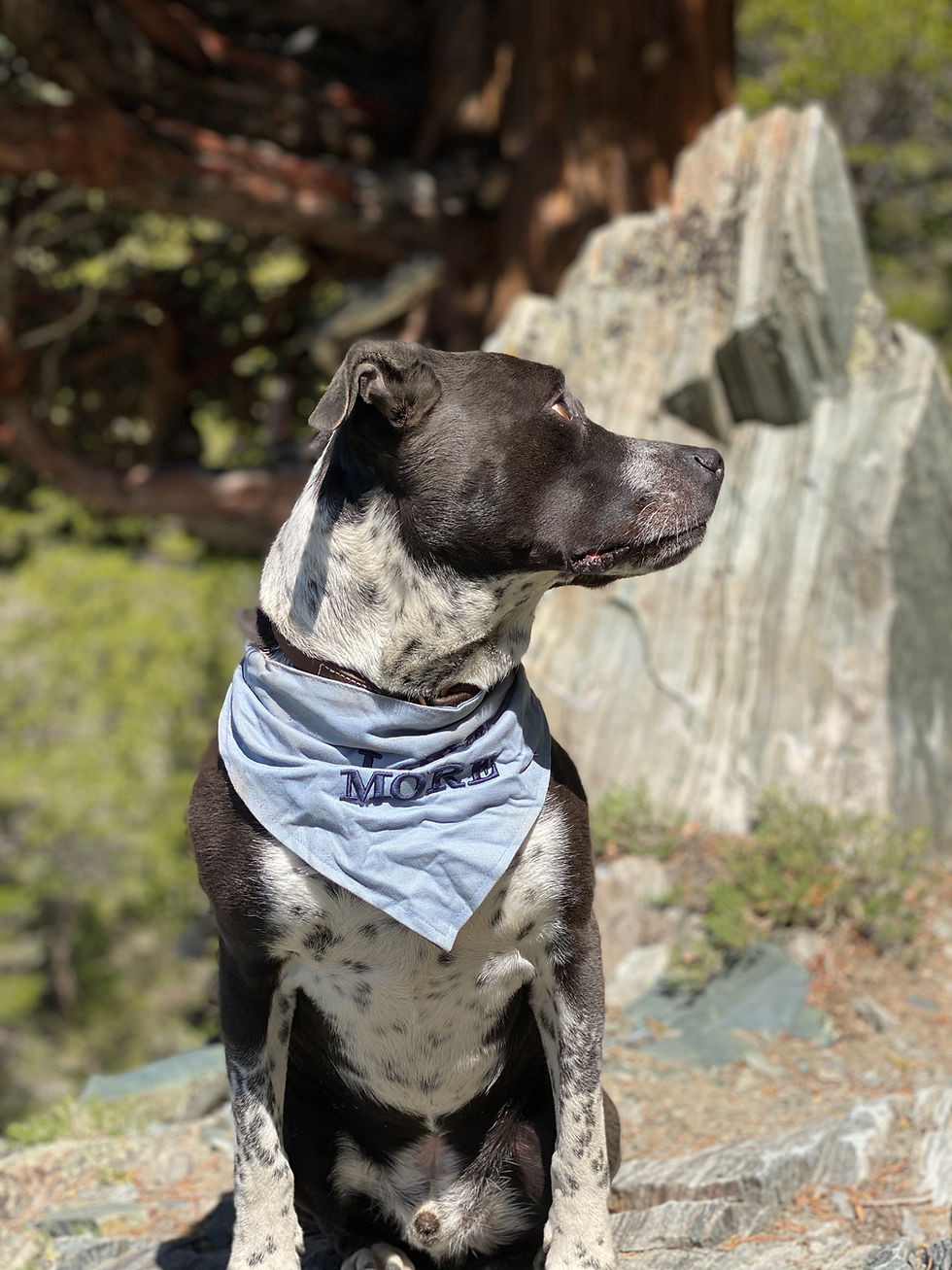
“This van is sketchy enough as it is with its decals ripped off, the blacked-out windows, the mirror that looks more like a satellite dish, and that darned camera,” Mom went on. “Being a government vehicle, some paranoid nut could think it’s a surveillance van or something.”
“Yeah, but did you notice how nice that Law was?” I asked. “Usually professional Simons try to protect the people in stuck houses from drifters like us, not the other way around. That’s suspicious, don’t you think?”
“I guess it depends on how they look at the situation. Some cops look at us and see homeless transients who are probably up to no good. Others see a woman alone and decide I need protection.”
“Protecting from what?” I asked. I’d always relied on Mom to protect me. It never occurred to me that some dumbo might think she needed protecting herself. It would be his funeral.
“Protection from whatever they’re scared of, I suppose.” Mom shrugged. “We all have boogeymen lurking in the dark corners of our imaginations. The problems that we decide to prevent say a lot about what we’re afraid of.”
A bright spot appeared in the blackness of the front window. As the Wagon got closer, I made out a people-potty and a picnic table in the shadows. The Wagon rolled off the highway and paused for Mom to decide which of the stalls was least likely to shine a light in her face all night. It was an impossible choice, of course. The lights were always stationed so that no wagon had to spend a night in the dark.
Mom settled into bed and I made myself the little spoon, snuggling all the space from between us. That way, Mom would wake up to comfort me any time a car or potty door slammed in the dark.

A thump under the Wagon’s belly woke me. The bed was humming and vibrating, which meant that Mom and the Wagon had been awake for some time already. I lifted my head for a better look at what was under the dense branches gobbling up the early-morning sunlight. Log cabins were tucked into the bed of dry pine needles between the trunks, well camouflaged except for their ice-rink-sized windows reflecting the first light of day. Mom’s poop juice leapt out of its cup as we bobbled over potholes that hadn’t been repaved since dinosaurs roamed the earth.
I yawned. “This trail must be very remote.”
“Not really,” Mom corrected. “This is one of the most visited spots in Tahoe besides the lake itself.”
“How can that be?” The Wagon jostled and threw me around its belly like it wanted to throw up. “This road can only hold one car at a time. How would people even get here?”
“Look closer,” Mom said mominously. “See the PRIVATE PROPERTY and NO PARKING signs in front of all the houses? That’s a dead giveaway that this is an outpost of the City. Most of these places are probably Airbnbs or some tech mogul’s vacation home.”
I did as I was told and looked more closely, but with nature squeezing into all the crevices and covering everything with branches and pine needles, it still looked like an abandoned settlement that time forgot. When the Wagon could go no farther, it tucked itself into the very edge of a patch of rock-free dirt.
The Witch told us to get ready for a fourteen-mile circle. I looked over Mom’s shoulder at the jagged line on the screen. It went up, up, up, with only small downs where it gathered itself for an even higher jump. Pictures like this could show the shape of a hill, but lately, Mom had been looking into graphs like this one as if gazing into a crystal ball that could predict the end of the boogeyvirus. I checked the side of the mapp that tells you how something will end, hoping to see the line come down as suddenly as it went up. Instead of a quick drop back to normal, the graph eased itself down so gradually that you hardly noticed that it was returning to its base. Even at the end, it spiked dramatically here and there to show that it couldn’t be rushed.

“Do you want to do it forward or backward?” Mom asked. I couldn’t tell if she was asking me or herself. “We could spread the climbing out over several miles so we hardly notice it and then let gravity take over when we’re tired. Or we could get most of the climbing over with and then have a grinding downhill for most of the day.”
“Tough decision.” I considered my options. Mom gets grumpy if things change too quickly, and when they don’t change quickly enough. “What do you think?” I asked, hoping for a hint.
“The reviews say that the steep part is horrible and overgrown, and that there will be a lot of bushwhacking,” Mom read. “I’d rather deal with that going uphill than down.”
“Good idea,” I agreed. “I’m glad I thought of it.”
Before we even started our hike, we found a real treasure: an unlocked people-potty! Its stink was like a punch in the nose, but Mom acted like it was a breath of fresh air after so many locked doors.
“It’s even more fabulous than I remember!” she said, practically twirling with joy as she stepped into the dim cabin.
“Breathtaking,” I agreed.

When we stepped back outside, Mom took a big gulp of the fresh, mountainy air before continuing into the forest. A wooden post guarded the spot where the trail pinched down to hiking size. On top of the post, someone had clamped a big bottle with a thin neck and a long beak.
“What’s this?” I sniffed the stain at the base of the post. “It smells like poison.”
“It’s hand sanitizer!” Mom pushed down the bottle’s head to make it sneeze a foul-smelling blob into her palm. She rubbed her hands together like a villain anticipating mischief. “Finally! A rational safety measure!”
A few steps away, a family of raccoons was fiddling with the dumpster. They weren’t actually raccoons—they were a dog and his two people—but I’d never seen people or dogs trying to break into a dumpster before, so they must have been at least part raccoon.
The raccoon-dog charged me like an Elvis fan. “I knew you were still alive!” she grinned. “I haven’t seen New Friends in ever so long!”

“Let’s wrestle and I’ll decide in five seconds whether I like you or not,” I screeched before Mom grabbed my collar and put a stop to it. I’d forgotten about social distancing again.
“We just cleaned the bathroom. It’s unlocked if you want to use it,” the man-raccoon said hospitably. “The darned lock on the dumpster has rusted shut, though. I’m sure there’s someone I could call, but it’s our first day with the Forest Service and they didn’t warn us how bad cell service was up here.”
“Nanny-nanny boo-boo! Country dogs don’t have to behave like you do!” taunted the dog-raccoon. She danced a little rigadoon while the lady-raccoon tried to catch her without a collar to grab onto.
“Why you little…” I barked.
“What are you, chicken?” the puppy pranced. “Chick-chick-chicken!”
When Mom felt the growl bubbling under my collar, she rolled me up the trail like a bowling ball. “I’m just so glad to see you guys back at work,” she said, waving a friendly goodbye to the two-legged raccoons.
I ran into the trees, but checked back over my shoulder as I went. It wasn’t the dog I was worried about, but Mom. When we were out of barking range I asked, “What’s gotten into you? I thought you made peace with using the dog bathroom. Have you been holding it this whole time?”

“Sometimes it feels like I have. I’m just ready to heal.”
“Heal from what? It didn’t smell that bad in there.” I checked her out in my side-eye. Her shoulders rested far from her ears, the lines on her forehead were shallower, and her face looked like it had a smile in its pocket. I couldn’t have been more shocked if she’d held out her nose-wiping finger for a bird to land on and then started singing.
“We’ve all been through a lot,” Mom didn’t-sing. “I’m just so sick of being anxious, angry, frustrated, and worried all the time. I’m tired of everything being harder than it needs to be, and not knowing when some troll is going to ambush me with their warped sense of right and wrong.”
All my life Mom had been wishing for a reason not to talk to strangers, not to drive to work, and never to take off her sweatpants. But when her wish finally came true, she couldn’t wait for it to be over. Sweatpants and hibernation are great and all, but all Mom ever really wanted was to feel as comfortable around other people as she does in sweatpants.
“I’m excited for more butt scratches from strangers,” I joined in. “And to see people smiling at me again.”
“It may be a while before we can touch each other, or even see each other’s faces again,” she corrected to reassure herself that talking to strangers wasn’t a necessary step to healing. “But if a mask is what it takes to get back to normal, I can deal with that. I think we’re finally on our way!”
Want to keep reading? Grab Oscar’s book, No Place Like Alone on Amazon.


